
- بررسی مشکلات هنرمندان ممسنی / رسانه فرزند ارشد اداره ارشاد
- معرفی اعضای شورای مرکزی کانون اندیشهسازان دانشگاه آزاد ممسنی
- توقیف خودرو حامل احشام قاچاق در ممسنی
- سخنی با مردم و پرچمداران ممسنی و رستم در مجلس
- انصرافی دیگر از حضور انتخاباتی در ممسنی
- سه اجرای تعزیه به مناسبت شهادت امام علی (ع) در ممسنی
- تحلیلی جامع بر نمایش فراموشی
- بیانیه انتخاباتی امید نصیبی فرمانده سپاه ممسنی
- به بهانه دوم خرداد؛ اصلاحات بر زمین مانده
- حفاران غیرمجاز کورنگون رستم در دام پلیس
- عزم رستم برای پایتختی کتاب ایران با رونمایی از دو کتاب
- اجرایی شدن ساخت سالن آمفی تئاتر رستم
- برگزاری نمایشگاه عکس « فتح خرمشهر» در رستم
- برنامه نماینده ممسنی برای افزایش صادرات محصولات کشاورزی
- مسعود گودرزی:مذاکره با آمریکا در شرایط فعلی سم است
- نشست فرهنگ و ارشاد اسلامی با کتابخانه عمومی ممسنی
- همایش رونق تولید در دانشگاه آزاد ممسنی برگزار میشود
- پژوهشی مردمشناختی درباره شیوه زیست مردمان قوم لُر
- خطر هجوم ملخها به شهرستانهای ممسنی و رستم
سهشنبه ۲۵ تير ۱۳۹۸ - 2019 July 16
سرویس اجتماعی:

اما آنچه مسلم است عدم تغییر فعلی ایوبی و تلاش افراد خواستار تغییر وی تا زمان برگزاری انتخابات است تا ایوبی را کنار بزنند و این اتفاق ممکن است همین فردا رخ دهد، چرا که همین...
سرویس اجتماعی:
40 درصد بیماران دارای فشار خون بالا از بیماری خود اطلاع ندارند.مشارکت عمومی مردم در اجرای با کیفیت طرح کنترل فشار خون بالا جایگاه ویژه ای دارد.برای شناسایی 6 هزار نفر دیگر...
سرویس اجتماعی:
سلام فاطمه پارسایی فعال در زمینه روانشناسی و اصول تربیت کودکان،متولد 1369 هستم ، مدرس برگزاری دوره های تربیتی و آموزشی کودک و نوجوان،نویسنده ی کتاب گنج تربیت.از تمام زن...
سرویس اجتماعی:
بر اساس ادعای خبر نورآباد در اردیبهشت سال ۹۸ در راستای تغییرات مدیریتی، خبر تغییرات در بخشداریهای ممسنی و رستم با عنوان تغییرات مدیریتی در بخشداریهای ممسنی و رستم منتشر...

احیای یکی از قنات های شهرستان ممسنی
احیای این قنات به گفته علیرضا ظهیر امامی رئیس کانون کارآفرینی فارس با بهره گیری از دانش و تجربه دکتر مرتضی تفتی پیشکسوت قنات های ایران انجام شد.دبی آب قنات مورد نظر ۳ لیتر در ثانیه است که کار احیا با حفر یک چاه ۲ متری و یک راهرو افقی ۲ متری صورت گرفت.
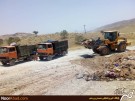
جمع آوری زباله های ورودی سایت دفن زباله ممسنی
در پی درج خبری با محتوای تخلیه زباله در مسیر ورودی سایت زباله شهرداری نورآباد واقع در اراضی روستای چمگل توسط خودروهای حمل زباله در رسانه خبر نورآباد و عدم همکاری مجموعه دست اندرکاران مربوطه جهت انتقال این زباله ها توسط لودر به سایت و دفن آنها، سید مهدی حسینی دهیار چمگل با ارسال تصاویری خبر از جمع آوری این زباله ها توسط شهرداری داد.
درخشش شاعر سپید سرای ممسنی و رستم در فارس
آذین جهاندیده شاعر سپید سرای اهل ممسنی و رستم در هفتمین جشنواره بین المللی شعر غدیر که به میزبانی شیراز در تاریخ یکشنبه دوم تیرماه برگزار گردید موفق به کسب مقام دوم از بین سیصد و سیزده نفر فرهنگی،دانشجو و دانش آموز شد.
سقوط پرسنل اتفاقات برق ممسنی از تیر برق
بر اساس این گزارش ، در پی حادثه سقوط از تیر برق برای یکی از پرسنل اتفاقات برق در منطقه جوزار، اورژانس بعد از یک ساعت به منطقه رسید و آن چه که می توان در این باره گفت این است که فاصله پایگاه اورژانس با مناطق روستایی زیاد است.
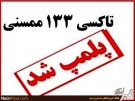
تاکسی ۱۳۳ ممسنی پلمپ شد
بر اساس این گزارش مرکز تاکسی بی سیم ممسنی به دلیل نداشتن پروانه ی کسب به استناد ماده ی ۲۷ و ۲۸ قانون نظام صنفی با دستور مقام قضایی تا اطلاع ثانوی پلمپ گردید.
عزم رستم برای پایتختی کتاب ایران با رونمایی از دو کتاب
شهرستان رستم با شعار «حال خوش کتابخوانی، در سرزمین زرد طلایی رستم» و هماهنگی و همکاری همه دستگاه های فرهنگی و مردم آمادگی خود را برای نامزدی پایخت کتاب ایران اعلام کرد.

پیگیری جهت بهره برداری پروژه کتابخانه روستای دشت رزم
در این بازدید موارد نقص پروژه توسط عوامل فنی مشخص و جهت رفع نقص برای رسیدن به مرحله تجهیز کتابخانه به مهران ضرغامی واگذار گردید که در اسرع وقت کار تحویل گردد.

تایید گزارش خبر نورآباد از تغییر مدیریت آبفا روستایی
در ادامه تغییرات مدیریتی سال ۹۸ که چندی پیش نیز خبر نوراباد به آن اشاره کرد، تغییر مدیریت اداره آبفا روستایی شهرستان ممسنی بود.حال کامبیز لشکری با انتشار بیانیه ای رسما از مردم، مسئولان و همکارانش خداحافظی کرد.مراسم تودیع و معارفه وی امروز برگزار گردید.

قطع دو دست به دلیل برق گرفتگی در ممسنی
به گفته یکی از منابع آگاه در اداره برق ممسنی، وی در حالی به روی تیر برق رفته بود که شبکه دارای برق بوده و این نیروی کار بدون قطع برق شبکه و پایه اقدام به انجام عملیات مورد نظر کرده که دچار برق گرفتگی شدید شد و جهت درمان به شیراز انتقال یافت.به گفته این منبع آگاه ؛ متاسفانه هر دو دست این نیروی کار به دلیل سوختگی شدید قطع شده است.

میزبانی پیام نور ممسنی از ۱۰۰۰ کنکوری
شهرام رحمانی سرپرست دانشگاه پیام نور ممسنی در خصوص برگزاری کنکور سراسری اظهار داشت: 1000 نفر از داوطلبان در رشته های علوم تجربی، علوم ریاضی، هنروزبان در نوبت صبح و عصر روز پنجشنبه و جمعه با آرامش کامل وفضای مناسب در این مرکز دانشگاهی به رقابت پرداختند.
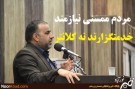
مردم ممسنی نیاز به خدمتگزار دارند نه کلانتر
فرماندار ممسنی گفت : امروزه مردم ممسنی در ادارات شهرستان نیاز به کارشناس و خدمتگزار دارند و به اندازه کافی کلانتر در شهرستان وجود دارد پس کارشناسان از کلانتری پرهیز نمایند.

قاچاق 5 هزار لیتر گازوئیل در ممسنی
با اعلام خبری مبنی بر بارگیری غیرقانونی یک دستگاه تانکر سوخت رسانی در جایگاهی واقع در شهرستان ممسنی ماموران انتظامی به همراه بازرسان شرکت پخش فرآوردههای نفتی بلافاصله در محل حاضر و این تانکر را در حالی که ۵ هزار لیتر گازوئیل حمل میکرد، توقیف کردند. در بررسیهای به عمل آمده مشخص شد که راننده تانکر با هماهنگی مسئول جایگاه مبادرت به بارگیری غیرقانونی گازوئیل به قصد قاچاق میکرده است.

انتصاب جوان نورآبادی در معاونت حقوقی مجلس
رضا کمالی اهل نورآباد ممسنی و دارای مدرک کارشناسی مهندسی عمران است. او در کارنامه خود سوابقی همچون رئیس انجمن علمی هوافضای یاسوج، مشاور جوان کمیسیون سرمایه گزاری و گردشگری شورای شهر یاسوج، رئیس کمیته اجرایی اولین دوره مسابقات ملی و فناوری جام پایتخت طبیعت ایران و دبیر کمیته اجرایی رویدادهای علمی ایده شو دانشگاه یاسوج با همکاری پارک علم و فناوری استان، دبیر کانون جرعه نور و رئیس کمیته اجرایی اولین دوره مسابقات ملی و فناوری جام پایتخت طبیعت ایران را دارد.
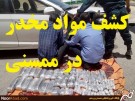
کشف بیش از 37کیلو تریاک جاساز در ممسنی
فرمانده انتظامی شهرستان ممسنی از کشف بیش از 37 کیلوگرم تریاک در یک خودروی ام وی ام خبر داد.

200 هكتار از اراضي كشاورزي ممسنی طعمه حریق شد
فرمانده انتظامي "ممسني" از آتش سوزي 200 هكتار از اراضي كشاورزي واقع در اطراف روستاي "فهلیان" آن شهرستان خبر داد.
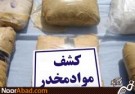
کشف ۳۰ کیلوگرم تریاک در ممسنی
فرمانده انتظامی شهرستان ممسنی با اشاره به اینکه در این خصوص یک نفر قاچاقچی دستگیر و تحویل مراجع قضائی شد، تصریح کرد: اشرار و قاچاقچیان بدانند نیروی انتظامی این شهرستان با اشراف اطلاعاتی و رصد مداوم باندهای توزیع کننده مواد مخدر اجازه نخواهند داد این افراد سودجو به اهداف پلید و شوم خود دست پیدا کنند.

سه اجرای تعزیه به مناسبت شهادت امام علی (ع) در ممسنی
به مناسبت شهادت حضرت علی (ع) و شبهای پر فیض قدر هیئت تعزیه خوانی هاشمیون با همکاری اداره فرهنگ و ارشاد اسلامی اقدام به برگزاری سه شب تعزیه شهادت حضرت علی (ع) در محل تالار وحدت اداره فرهنگ وارشاد اسلامی ممسنی نمودند.
تحلیل و یادداشت


گفتگوها





تیتر دو

جمعی از کارکنان کارگاه های موجود در بلوار خلیج فارس و دهیار روستای گچگران نسبت به عملیات نصب نیوجرسی در امتداد بلوار خلیج فارس و ایجاد مشکلاتی برای اهالی روستای گچگران برای عبور از جاده و طولانی تر شدن مسیر رفت و برگشت وسایل نقلیه ابراز نگرانی کردند.
سرویس اجتماعی:

قلم را برای قدم بعدی به حرکت درآورده و به آتش سوزی اخیر مزارع شهرستانهای ممسنی و رستم می پردازیم که متاسفانه به قیمت جان دو انسان و از بین رفتن بخشی از طبیعت منجر شد، و گویا تنها بعد از خانواده و بستگان مصیبت این اتفاق فقط در دل امام جمعه ی شهرستان ممسنی حجت الاسلام یعقوبی زنده بود، که در تریبون نماز جمعه ی شهر در رابطه با این اتفاق تلخ تذکراتی را به نهادها و دستگاه های مسئول دادند.این حادثه باید درسی باشد هم برای مسئولان، هم برای مردم و کشاورزان بخصوص ستاد مدیریت بحران شهرستان که تا کنون گزارش مبسوطی از عملکرد خود در رسانه ها ارائه نداده است.
سرویس اجتماعی:

رودشیر نامی آشنا برای مردم بعنوان یک منطقه خوش آب و هوا در زمینه گردشگری و سرمایه گذاری در زمینه ساخت مراکز تفریحی همراه با درآمدزایی اقتصادی است.منطقه ای که جدا از آب و هوای خنک که میتواند مقصد بسیاری از گردشگران در فصل تابستان باشد، دارای چشمه سارها و پوشش گیاهی متفاوتی نیز هست.
سرویس اجتماعی:

بهمن کشاورزی اهل روستای سردشت تیرتاج که متولد سال 1359 است و مدرک دیپلم دارد کارآفرین بخش دشمن زیاری است.کشاورز در سال 1384 با توجه به نیاز منطقه ی دشمن زیاری اقدام به راه اندازی کارگاه بلوک زنی و مصالح ساختمانی می کند،وی ابتدا هم مدیر کارگاه بوده هم تنها کارگر کارگاه کوچک خود.بهمن داستان ما از جایی به بعد،تحولی در زندگی خود ایجاد می کند که امروز 11 نفر به صورت مستقیم در کارگاه و پخش مواد غذایی اش مشغول به کار هستند.
سرویس اجتماعی:

پیشینه ی صنایع دستی ممسنی و اولین آثارهای آن به صورت مکتوب وجود ندارد، اما تلاشگران این عرصه همواره گمبول های زیبای هنرشان را برای تجسم به ما عرضه داشته اند.در چند سال اخیر تسهیلاتی در این راستا به متقاضیان ارایه شد که پویایی چندانی را به همراه نداشت.صنعت قالی بافی و گلیم بافی با توانایی ایجاد فرصت های شغلی زیاد و درآمد زا به صورت راه کار برای ریشه کنی فقر روستایی و ممانعت از پیامدهای ناگوار روستاشهری مورد توجه مسولان و سیاست گذاران منطقه ای قرار گیرد.
سرویس اجتماعی:

اداره منابع طبیعی ممسنی با همکاری تیم طنزپرداز احمد خاکیان در راستای گسترش فرهنگ حفاظت عمومی از طبیعت و نحوه خاموش کردن آتش اقدام به ساخت و انتشار انیمیشن آموزشی کرد.احمد خاکیان در گفتگو با خبرنگار ما ضمن تایید حرکت و اقدام فرهنگی منابع طبیعی ممسنی گفت: بر اساس این قرارداد کلیپ های آموزشی دیگری در دستور کار قرار گرفته و به محض تکمیل انیمیشن آن را منتشر خواهیم کرد.
سرویس حودث:

به گزارش خبر نورآباد در جریان آتش سوزی کاه و کلش که در روز ۱۹ خرداد، در روستای پل فهلیان به سمت باجگاه و مورکی رخ داد، به دلیل شدت آتش و وزش باد متاسفانه دو نفر از همشهریان در آتش گرفتار و دچار سوختگی شدید شدند که متسفانه یکی از مجروحین فوت کرد.
سرویس اجتماعی:

قبلا در یادداشتی خطاب به نماینده فعلی مردم ممسنی و رستم در مجلس شورای اسلامی نیز در راستای عملیات اجرایی خط انتقال گاز به مجموعه پتروشیمی ممسنی در دو ایستگاه که یکی از بندهای منتشر شده عملکرد نماینده ممسنی و رستم در حوزه گازرسانی میباشد عنوان کرده ایم که پتروشیمی ممسنی دارای پرونده قضایی مرتبط با آقای حمید باقری درمنی میباشد.همچنین در یک کد خبری سر بسته نیز عنوان شد که عده ای با آن در بالا شهر تهران دارای دفتر و کار و ... به نام پتروشیمی ممسنی هستند.
سرویس اجتماعی:

دامپزشکی ممسنی در اقدامی عجیب به جای پاسخگویی به مطالبات مردمی و بازخواست مقام ادعا کننده حمل دامهای بیمار از ممسنی به تنگاری یاسوج از سایت خبر نورآباد به دلیل انتشار این خبر و مطالبه گری و نشر واقعیت با ذکر منبع، به جرم تشویش اذهان عمومی شکایت کرد.
سرویس ورزشی:

همچنین گزارش های ارسالی از مخاطبان ما مبنی بر وجود دستهای پشت پرده این موضوع سبب شد موضوع برگزاری و یا عدم برگزاری مزایده استخر ممسنی برای واگذاری به افراد خاص را با مدیرکل اداره ورزش و جوانان فارس مطرح کنیم که کامیاب در این خصوص عنوان کرد: واگذاری استخر بر اساس قانون و طبق برگزاری مزایده انجام میپذیرد.جا دارد که مسئولین در سطح شهرستان و استان بدون هیچگونه تعلق خاطر سیاسی و یا روابط قومی عشیره ای تلاش خود را برای بکارگیری فرد اصلح به کار گیرند.
سرویس انتخابات:

چه دیدگاه سیاسی پشت کوچک سازی بخش های دشمن زیاری و ماهور میلاتی بود؟ نمایندگان ادوار چه طرح مهم صنعتی همسان با کارخانه قند توانسته اند به شهرستان های خود بیاورند؟ دلیل عدم موفقیت آنان در پیگیری و به نتیچه رساندن طرح ها چه بوده است.دلیل انتقال دانشگاه و تعطیلی کارخانه قند و نیامدن کارخانه سیمان و عدم پیگیری مینی پالایشگاه ماهور و نبود توجه کافی به حوزه کشاورزی و دامداری و پتروشیمی و جاده ها و سیلوی گندم و .... چیست؟
سرویس اجتماعی:

به گزارش خبرنگار خبر نورآباد: با توجه به کلیپ ها و تصاویر ارسالی از مخاطبان حضور ملخ ها در ممسنی و رستم حس میشود و بعضا تصاویر گویای رژه احتمالی ملخ ها در آینده ای نزدیک در شهرستان های ممسنی و رستم میباشد. هرچند که حضور گسترده در این دو شهرستان رخ نداده است لذا با توجه به حضور این حشرات در بعضی از مناطق ممسنی لو گزارش های دریافتی میطلبد که مسئولان و کشاورزان خود را برای مقابله با جمعیت بالای ملخ ها آماده کنند.
سرویس اجتماعی:

فرماندار ممسنی ضمن اشاره به جایگاه و منش روابط عمومی ها و تاثیر آن بر افزایش عملکرد ادارات ممسنی افزود: روابط عمومی ها از گسستگی و ناپیوستگی بین ادارات و جامعه جلوگیری میکند و اگر این چنین نباشد و روابط عمومی ادارات فعال نباشند، آن اداره شبیه قبرستانی است که صدایی از آن بیرون نمی آید چرا که ادارات مختلف بدون شک دارای عملکرد بوده و این عملکرد باید از طریق رسانه ها به گوش مردم برسد.

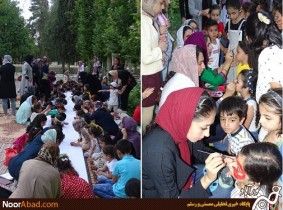

حاشیه های نورآباد
تحولات ایران و جهان
انتخابات
RSSخوان نور آباد
یکی از قنات های شهرستان ممسنی احیا شد خبرگزاری ایرنا
کشف کالای قاچاق میلیونی در ممسنی شبکه خبر
کشف کالای قاچاق میلیاردی در ممسنی شبکه خبر
کشف ۳۵ کپسول کولرگازی قاچاق و جریمه میلیاردی متهم در ممسنی خبرگزاری ایسنا
تعطیلی واحد صنفی عرضه قلیان در ممسنی شبکه خبر
جاساز تریاک در ممسنی لو رفت شبکه خبر
کشف گازوئیل قاچاق در ممسنی شبکه خبر
۲۰۰ هکتار از اراضی کشاورزی ممسنی طعمه آتش شد خبرگزاری ایرنا
آتش، مراتع و اراضی کشاورزی ۵ روستای ممسنی فارس را فرا گرفت خبرگزاری ایرنا
17میلیارد ریال به بهسازی معابر مسکن مهر ممسنی اختصاص یافت خبرگزاری ایرنا
نماینده ممسنی: سپاه مبارزِ جدی علیه تروریسم است خبرگزاری ایسنا
نجات جان ۳ جوان در ارتفاعات بخش مرکزی نورآباد ممسنی خبرگزاری مهر
واحد مرکزی خبر


خبرگزاری مهر
خبرگزاری ایسنا
خبرگزاری ایرنا
خبرگزاری فارس
خبرگزاری ایلنا
باشگاه خبرنگاران جوان
خبرگزاری تسنیم

تمام حقوق مادی و معنوی این سایت متعلق به سایت نورآباد است و استفاده از مطالب آن با ذکر منبع بلامانع است
> طراحی و تولید: ایران سامانه <